AstroPhotography
We offer AstroPhotography services and referrals throughout the United States. Please email us your request and would be happy to help. Thank you.

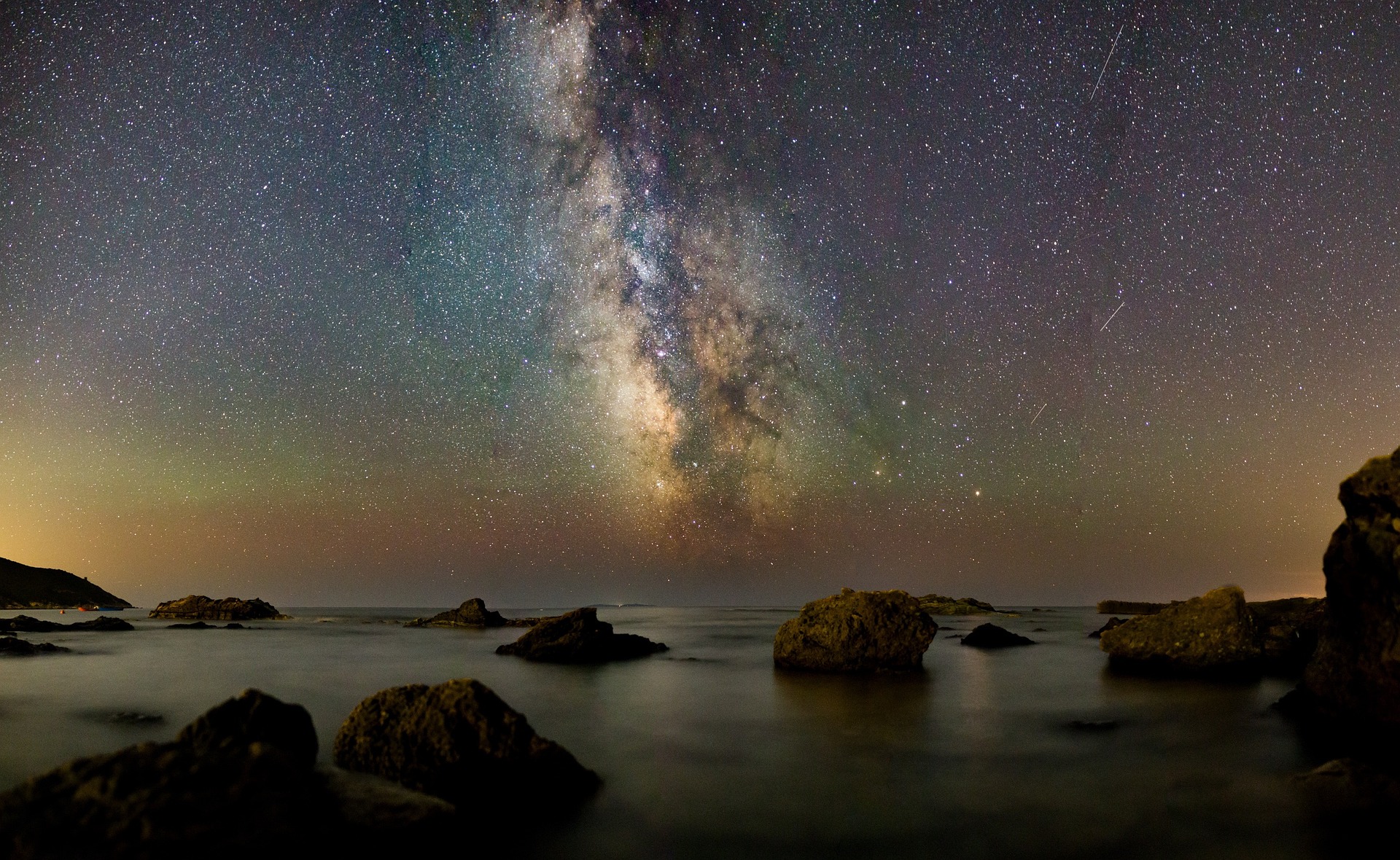
What is AstroPhotography?
Astrophotography, also known as astronomical imaging, is the practice of capturing images of astronomical objects, celestial events, or areas of the night sky. It involves using specialized techniques and equipment to record the faint light emitted by these distant objects.
Key Aspects of Astrophotography:
- Subjects:
- Celestial Bodies: Stars, planets, the Moon, the Sun (with proper filters), comets, asteroids.
- Deep-Sky Objects: Nebulae (clouds of gas and dust), galaxies, star clusters.
- Celestial Events: Eclipses, meteor showers, aurora borealis.
- Techniques:
- Long Exposure: Capturing faint light from distant objects requires long exposure times, often exceeding several minutes or even hours.
- Tracking: To compensate for Earth’s rotation, astrophotographers use specialized mounts that track the movement of celestial objects across the sky.
- Image Stacking: Multiple images of the same object are captured and then combined (stacked) to reduce noise and improve image quality.
- Post-Processing: Extensive post-processing techniques are used to enhance the image, such as adjusting color balance, sharpening details, and removing noise.
- Equipment:
- Telescopes: Various types of telescopes, including refractors, reflectors, and Schmidt-Cassegrains, are used to gather light from celestial objects.
- Cameras: Modified DSLR cameras or dedicated astronomical cameras are often used for astrophotography.
- Mounts: Equatorial mounts are essential for tracking celestial objects as they move across the sky.
- Filters: Specialized filters are used to block unwanted light and enhance the visibility of certain celestial objects.
Types of Astrophotography:
- Planetary Imaging: Capturing high-resolution images of planets in our solar system.
- Deep-Sky Imaging: Imaging nebulae, galaxies, and star clusters, which are often faint and require long exposures.
- Solar System Photography: Imaging the Sun, Moon, and other objects within our solar system.
- Wide-Field Astrophotography: Capturing large areas of the night sky, including the Milky Way.
- Time-Lapse Astrophotography: Creating time-lapse videos of celestial events, such as star trails or meteor showers.
Challenges of Astrophotography:
- Light Pollution: Light pollution from cities significantly impacts the quality of astrophotography images.
- Weather Conditions: Clear skies, stable atmospheric conditions, and minimal wind are essential for successful astrophotography.
- Equipment Costs: Specialized equipment, such as telescopes and mounts, can be expensive.
- Technical Expertise: Astrophotography requires a good understanding of astronomy, photography, and image processing techniques.
Despite these challenges, astrophotography offers a unique and rewarding experience, allowing individuals to explore the wonders of the universe and capture breathtaking images of celestial objects. It combines scientific curiosity with artistic expression, making it a captivating and ever-evolving field.