Flower Photography
We offer Flower Photography services and referrals throughout the United States as well as parts of Asia. Please email us your request and we would love to help you. Thank you.

What is Flower Photography?
Flower Photography: Capturing Delicate Beauty
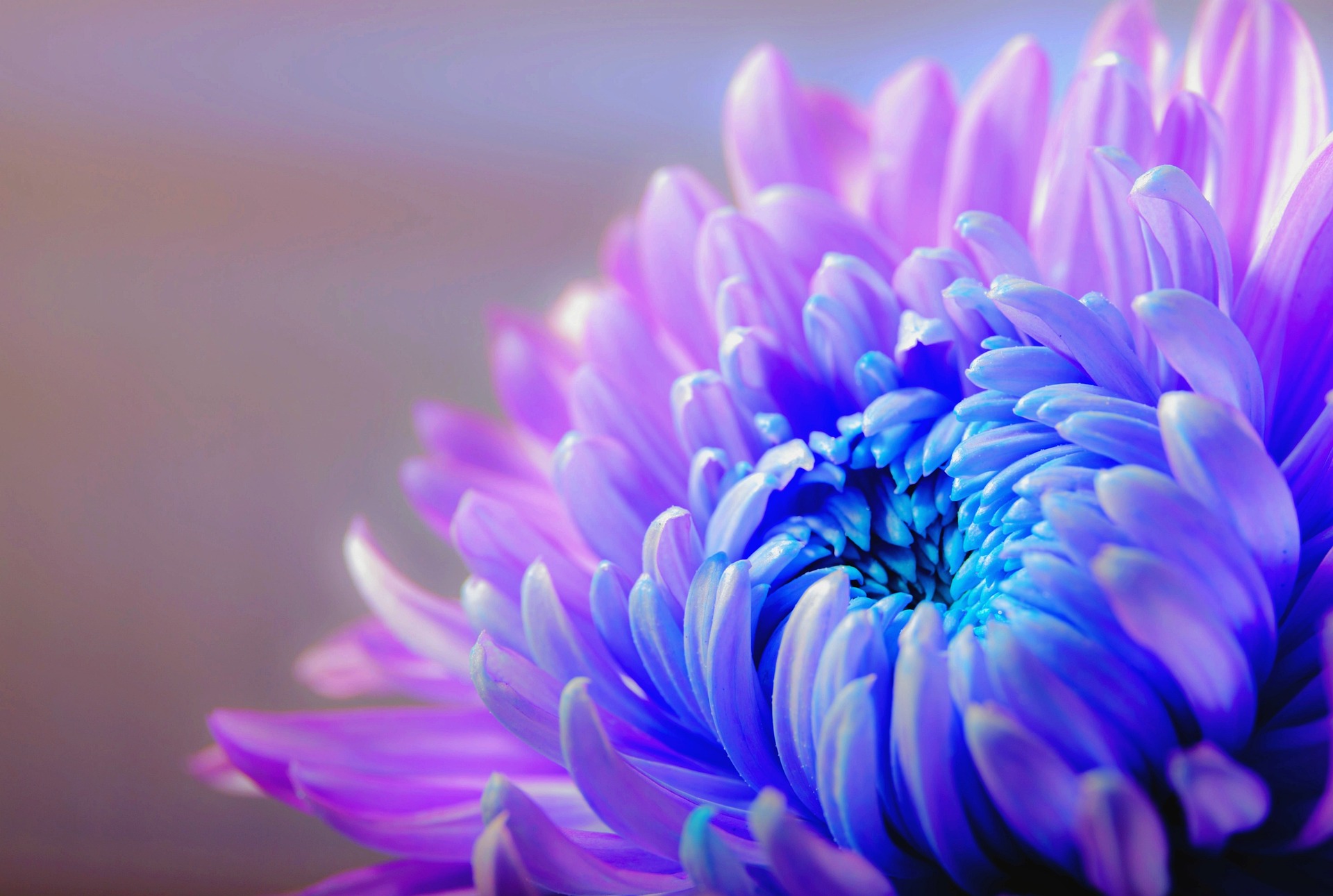
Flower photography is a captivating subgenre of nature photography that focuses on capturing the intricate beauty and delicate details of blossoms. It’s a rewarding pursuit that combines artistic expression with a deep appreciation for the natural world.
Key Characteristics:
- Emphasis on Detail: Flower photography emphasizes the intricate details of flowers, such as delicate petals, intricate patterns, and vibrant colors.
- Shallow Depth of Field: A shallow depth of field is often used to isolate the flower from its background, creating a soft and dreamy effect.
- Macro Photography: Macro photography techniques are frequently employed to capture extreme close-ups, revealing the intricate textures and patterns of flowers.
- Light and Color: Light plays a crucial role in flower photography. Soft, diffused light can create a gentle and ethereal mood, while dramatic backlighting can highlight the flower’s form and texture.
- Composition: Careful composition is essential to create visually appealing images. Techniques such as the rule of thirds, leading lines, and framing can be used to guide the viewer’s eye and emphasize the beauty of the flower.
Types of Flower Photography:
- Single Flower Portraits: Focusing on a single flower, emphasizing its unique shape, color, and texture.
- Flower Arrangements: Photographing bouquets or arrangements of flowers, capturing the interplay of colors, shapes, and textures.
- Flowers in Nature: Capturing flowers in their natural habitat, showcasing their relationship with the surrounding environment.
- Abstract Flower Photography: Focusing on abstract patterns, textures, and colors within the flower, creating artistic and evocative images.
- Macro Flower Photography: Capturing extreme close-ups of flowers, revealing intricate details often invisible to the naked eye.
Challenges and Considerations:
- Shallow Depth of Field: Achieving sharp focus can be challenging due to the shallow depth of field often used in flower photography.
- Lighting: Controlling the light can be difficult, especially in outdoor environments.
- Camera Shake: Even slight camera movements can cause significant blur, especially at high magnifications.
- Wind: Wind can cause flowers to move, making it difficult to capture sharp images.
- Patience: Finding and photographing the perfect flower often requires patience and a keen eye for detail.
Equipment:
- Macro Lenses: Specialized macro lenses are essential for capturing close-up images of flowers.
- Tripod: A sturdy tripod is crucial for stabilizing the camera and minimizing camera shake.
- Remote Shutter Release: A remote shutter release allows for taking photos without touching the camera, reducing the risk of camera shake.
- Diffuser: A diffuser can help to soften harsh sunlight and create more even lighting.
The Importance of Flower Photography:
- Appreciation of Nature: Flower photography helps to increase public awareness and appreciation for the beauty and diversity of flowers.
- Artistic Expression: It offers a unique form of artistic expression, allowing photographers to showcase their creativity and vision.
- Scientific Documentation: Flower photography can be used to document and study different species of flowers.
Flower photography is a rewarding and challenging genre that requires a blend of technical skill, artistic vision, and a deep appreciation for the natural world. It allows photographers to capture the delicate beauty of flowers and share their unique perspectives with the world.