Macro Photography
We offer MACRO Photography services and referrals throughout the United States and Asia. Please email us your request and we are happy to help. Thank you.

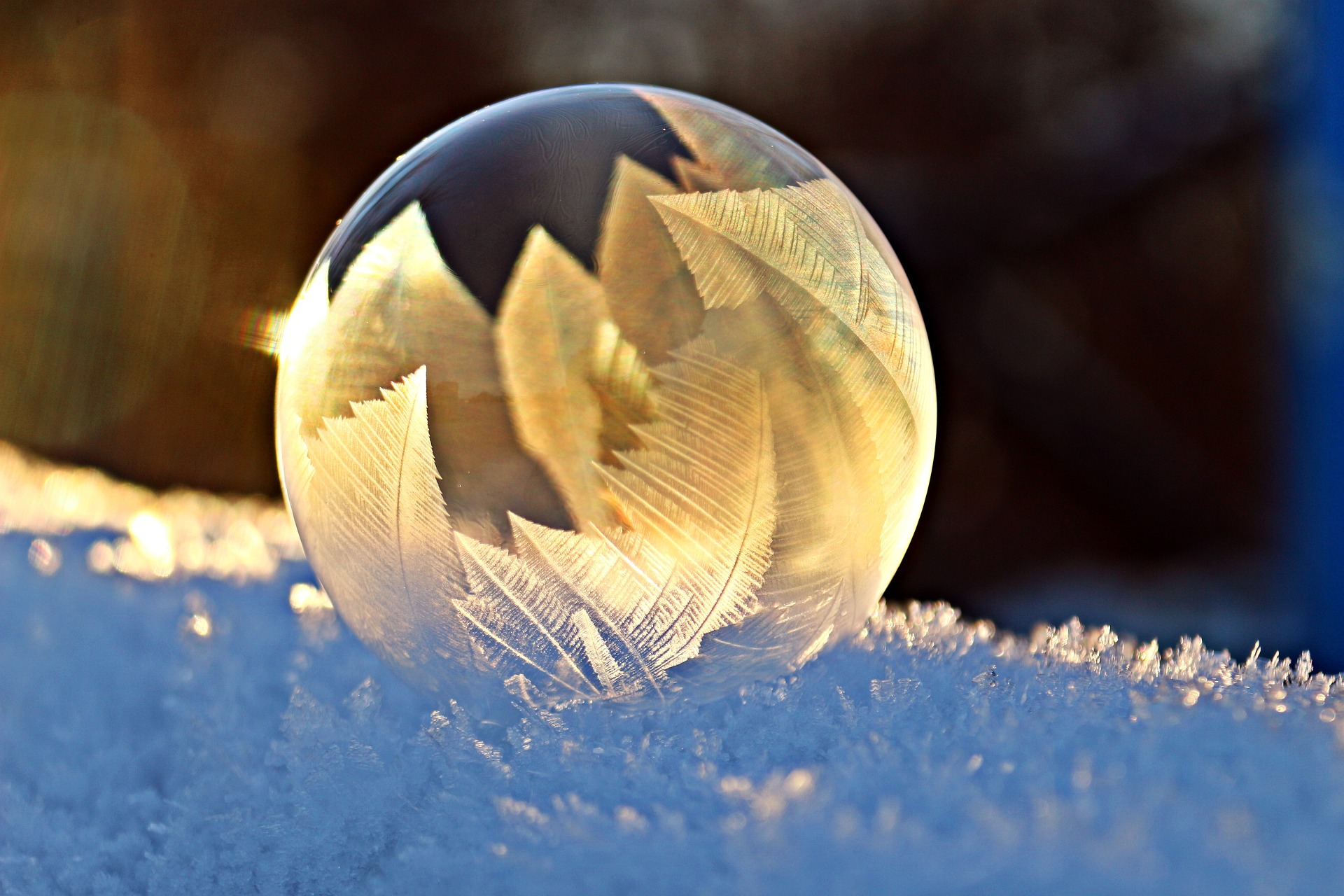
What is MACRO Photography?
Macro photography is a fascinating branch of photography that focuses on capturing extremely close-up images of small subjects. It involves magnifying these subjects significantly, revealing intricate details often invisible to the naked eye.
Key Characteristics:
- Extreme Close-Ups: The defining feature is the ability to capture images at a very high magnification, often life-size or greater. This allows for the revelation of minute textures, patterns, and details.
- Focus on Detail: Macro photography emphasizes the intricate beauty and complexity of small subjects, such as insects, flowers, and even everyday objects.
- Shallow Depth of Field: Due to the close focusing distances, the depth of field (the area in focus) is extremely shallow. This creates a unique aesthetic, often isolating the subject and blurring the background.
- Specialized Equipment: While some macro photography can be achieved with standard lenses and techniques, specialized macro lenses are often used to achieve the highest magnification and image quality.
Common Subjects:
- Insects: A popular subject for macro photography, revealing the intricate details of wings, eyes, and other body parts.
- Flowers: Capturing the delicate beauty of petals, stamens, and pistils.
- Water Drops: Revealing the mesmerizing shapes and patterns formed by water droplets on various surfaces.
- Food: Capturing the textures and details of food items, such as fruits, vegetables, and desserts.
- Everyday Objects: Finding beauty in the ordinary, such as the intricate patterns on a coin or the texture of a fabric.
Techniques:
- Macro Lenses: These specialized lenses are designed to focus very close to the subject, allowing for high magnification.
- Extension Tubes: These hollow tubes are placed between the camera body and the lens, increasing the distance between the lens and the sensor, effectively increasing magnification.
- Close-up Filters: These filters attach to the front of the lens, adding additional magnification.
- Reverse Ring Adapter: This allows a lens to be mounted on the camera backwards, significantly increasing magnification.
Challenges:
- Shallow Depth of Field: Achieving sharp focus can be challenging due to the extremely shallow depth of field.
- Camera Shake: Even slight movements can cause significant blur in macro photography.
- Lighting: Proper lighting is crucial for capturing detail and creating the desired mood.
Applications:
- Scientific Research: Macro photography is used in scientific research to document and analyze various subjects.
- Art and Expression: Macro photography can be a powerful form of artistic expression, revealing hidden beauty and capturing the essence of small subjects.
- Commercial Use: Macro photography is used in advertising, product photography, and other commercial applications.
Macro photography is a rewarding and challenging genre that requires patience, technical skill, and a keen eye for detail. It allows photographers to explore the hidden world of the small, revealing intricate beauty and inspiring wonder.